
On this page
What a branded short domain is
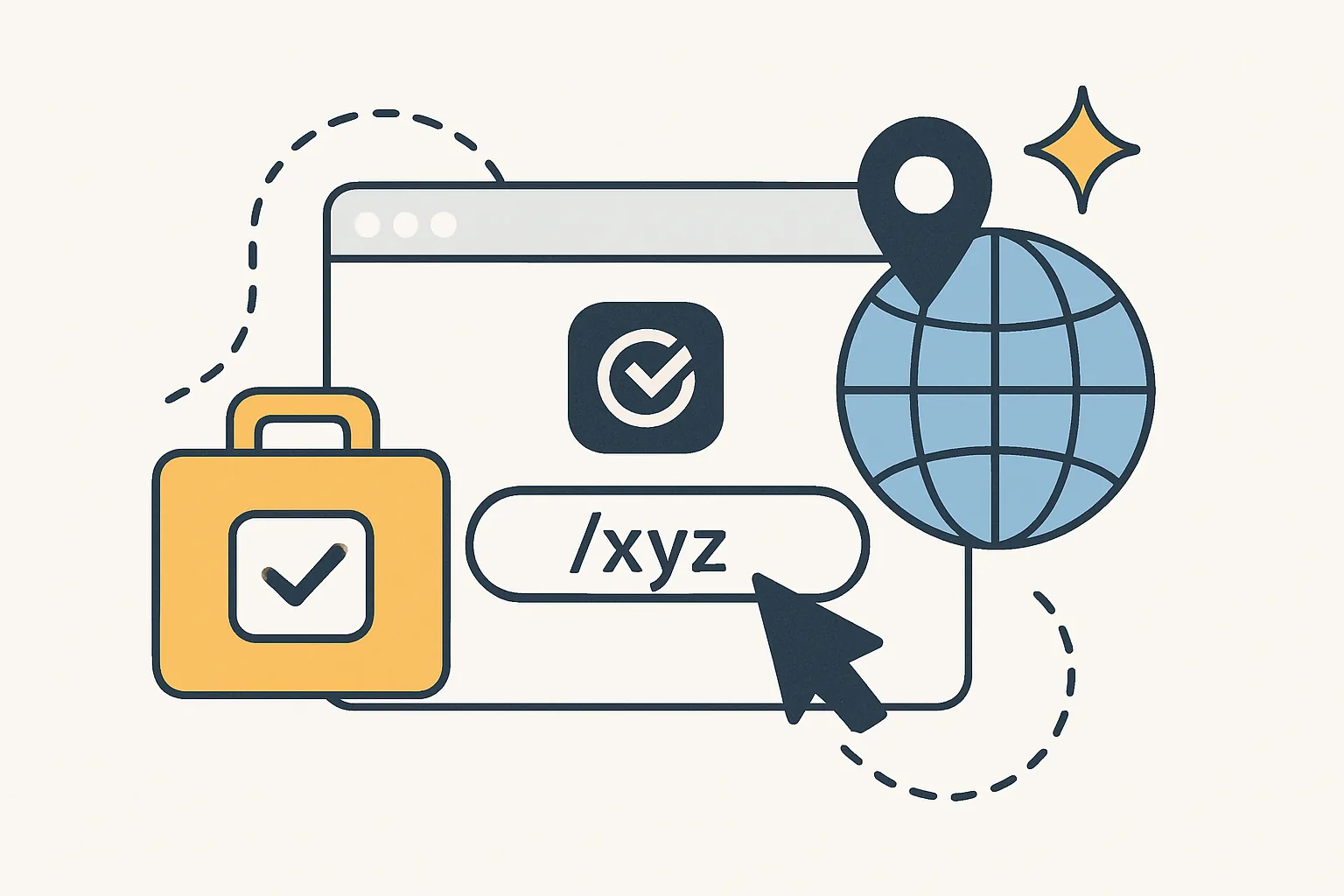
A branded short domain is a custom web address used to create short links that carry your brand name instead of a generic shortening service. In plain terms, it is the part of the link people see before the shortened path. Instead of sending someone to a plain, unfamiliar short URL, you send them to a compact link that clearly belongs to your business, publication, creator account, or product.
This matters because links are no longer just technical connectors. They are part of the message. A branded short domain gives you a cleaner way to share content, track clicks, and keep your links aligned with the identity you want people to remember. If your audience sees your name in the link, the path from curiosity to click feels more direct.
Generic short URLs still have their place, especially for quick personal use. But they often hide the destination and do little to reinforce trust. A branded short domain does the opposite: it turns a simple utility into a small but visible piece of branding.
Branded links vs. generic short links
The difference between branded links and generic short links is easy to miss at first glance, but it shows up in the way people read and react to them. A generic short link usually comes from a third-party domain with no obvious connection to the sender. A branded link uses a domain that matches the organization or campaign behind it.
That distinction affects recognition. When someone sees a link that includes a known brand, it feels more intentional. They can often infer where it leads, or at least who is behind it. With a generic short URL, they are asked to trust the destination without much context. That extra moment of uncertainty can matter, especially in email, social posts, and direct messages.
There is also a practical difference in how links are shared in everyday life. A branded short link is easier to mention aloud, easier to place on a flyer, and easier to remember when someone needs to type it later. A string of unfamiliar characters from a generic shortener may work technically, but it rarely works gracefully.
For a broader discussion of safety and user confidence around shortened links, see Are Short Links Safe? How to Check Before You Click.
How a custom short link domain works
At a basic level, a custom short link domain is connected to a link management system that turns long URLs into short, branded ones. The setup usually starts with a domain you own. That ownership is important: the domain is what gives the links their brand identity and long-term control.
Once the domain is purchased or already in your control, it is pointed to the shortening platform through DNS settings. DNS, or Domain Name System, is what tells browsers and servers where to send traffic when someone types or clicks the link. In this case, it routes the custom short domain to the service that will handle the redirect.
The shortening workflow is straightforward from the user’s point of view. You paste in a long destination URL, choose the branded short path, and the system generates a compact link. When someone clicks it, they do not stay on the short domain; instead, they are redirected to the final destination almost immediately.
That redirect step is what makes the whole system useful. It allows the short domain to act like a front door while the destination can change, be tracked, or be organized behind the scenes. If you are using advanced link management for promotions, campaigns, or private sharing, this same structure can support features such as expiration rules or password protection. For more on that, you may also want to read Password-Protected Links: Share Privately, No Account.
Benefits of using branded links
The most obvious benefit is visibility. A branded short domain keeps your name in front of people at the exact moment they are deciding whether to click. That can be especially useful when the link is shared outside your own channels, where the surrounding context may be thin.
Another advantage is cleanliness. A branded link tends to look more deliberate than a generic short URL. It feels like part of the message rather than an afterthought. That matters in polished marketing, client communication, and any situation where presentation affects credibility.
Branded links are also easier to recall. A person might not remember a long landing page or an unfamiliar string of letters, but they may remember a link that clearly belongs to a company or campaign. That makes them useful when you want someone to revisit a page later or type a link from a printed source.
They can also support more organized tracking. Because each link is created and managed centrally, it becomes easier to see which campaigns, channels, or placements are driving clicks. That does not guarantee better outcomes by itself, of course, but it does make informed decisions more realistic.
For businesses working with branded promotions or partner offers, a setup like Affiliate Link Cloaking: Clean Links That Keep Earning can be a natural extension of the same idea: make links clearer, more aligned with the brand, and easier to manage.
Common use cases for a branded short domain
Branded short domains show up in more places than many teams expect. Marketing campaigns are the obvious home. If you are sending people to a landing page from ads, newsletters, or product launches, a short branded link gives you a cleaner path and a better-looking call to action.
Social media is another natural fit. Space is limited, attention is moving quickly, and long URLs rarely look elegant in captions, bios, or profile links. A branded short domain helps keep the message tidy without sacrificing control.
Email is a more subtle use case, but often a very important one. In a message where trust matters, a branded link can feel less suspicious than a generic short URL. That said, it should still be used carefully and transparently. Good link hygiene matters as much as good design. If your team also wants to reduce unwanted mail and improve the quality of outbound communication, you may find How to Stop Spam Email: What Actually Works helpful as a related read.
QR codes are another strong use case, especially for print materials. A branded short domain makes a QR code more trustworthy when people inspect the destination before scanning or after the scan. It is also easier to update the destination later if the QR code system supports dynamic behavior. For more on that approach, see Dynamic QR Codes: Change the Destination After Printing.
Offline ads, event signage, product packaging, and partner placements all benefit from a short link that is easy to read and clearly owned by the brand. In these settings, the link itself often needs to work like a tiny piece of signage. It should not distract; it should reassure.
How to choose the right branded short domain
Choosing the right domain is partly a branding decision and partly a usability decision. The best branded short domain is not just recognizable. It is also easy to read, easy to type, and unlikely to be confused with another address.
Length matters, but so does clarity. A shorter domain is usually easier to handle, yet an overly clever name can backfire if people cannot spell it or remember it. If your brand name is already concise, that is often enough. If not, consider a shortened variation that still feels unmistakably tied to your identity.
Readability should be tested with real-world use in mind. Look at how the domain appears in lowercase, in plain text, and on mobile screens. Avoid characters that can be mistaken for one another, and be cautious with hyphens if they make the name awkward to say aloud or easy to miss when copied from a slide or flyer.
Brand fit is equally important. A domain should sound like it belongs to you. If it feels off-brand, too generic, or too close to a different company name, it can weaken the effect you are trying to create. This is especially true in public-facing campaigns, where every small detail contributes to perceived reliability.
There is also a strategic question: should the domain mirror the main company name, a campaign theme, or a product line? The answer depends on how you plan to use it. A single broad domain may be best for long-term consistency, while campaign-specific domains can work well for launches or seasonal promotions.
Setup, tracking, and maintenance basics
Launching a branded short domain usually involves a few technical and operational steps. First comes domain registration or transfer, followed by DNS configuration. Then the shortening platform is connected so that it can receive incoming clicks and send visitors to the correct destination.
Redirects are the heart of the system. Most branded short links are built around fast redirects that take users from the short domain to the target page. In many setups, the destination can be edited later without changing the public-facing link, which is one reason branded short domains are so useful for ongoing campaigns.
Analytics are the next piece. A link system should help you understand how links are used: where clicks are coming from, which links are active, and whether old promotions are still being shared. That information is most useful when it is paired with disciplined naming conventions. If every team invents its own style of link naming, the reporting quickly becomes messy.
Good maintenance means keeping your links tidy. Old links that no longer serve a purpose should be reviewed. Campaign links should be labeled clearly. Destinations should be checked so that users do not arrive at stale pages or broken offers. That kind of housekeeping may not be glamorous, but it prevents small problems from becoming expensive ones.
It also helps to think about audience segmentation and follow-up. In some workflows, branded short links can support retargeting or audience building based on clicks. If that is relevant to your stack, Retargeting Pixels on Short Links: Audiences From Clicks explains the concept in more detail.
Finally, set a routine for reviewing how the domain is being used. Check that redirects still point where they should, that new links follow the same naming pattern, and that the domain is not being used inconsistently across teams. Link hygiene is one of those quiet operational habits that pays off later, when the number of campaigns has grown and everyone is grateful for a system that still makes sense.
Branded short domains are small details with outsized value
A branded short domain is not just a nicer-looking link. It is a practical tool for clarity, trust, and consistency. It helps people understand who is speaking, where a link belongs, and why it deserves attention. In a digital environment crowded with generic URLs and hurried clicks, that matters more than it may first appear.
If you use links as part of how your brand communicates, a custom short domain gives you a cleaner and more controlled way to do it. It supports campaigns, social sharing, print materials, and partner promotions without making the user experience feel clumsy. That is a rare combination: technical utility that also improves presentation.
And in the end, that is the real point. A good branded link does not call attention to itself. It simply makes everything around it work a little better.
Put this into practice
Paste a link and get a short URL, a QR code and click stats in seconds — free, no sign-up.
More from the blog
Link Shortener with Custom Alias
Learn how a link shortener with custom alias creates branded, readable URLs that improve trust, sharing, and campaign clarity.
What branded short links are
Learn how branded short links improve trust, visibility, and tracking with a custom short domain for branded URLs across channels.
Branded Short Links for Campaigns: A Practical Guide
Learn how branded short links for campaigns improve trust, clicks, and sharing with a custom domain and clear setup tips.