
On this page
What Short Link Analytics Means
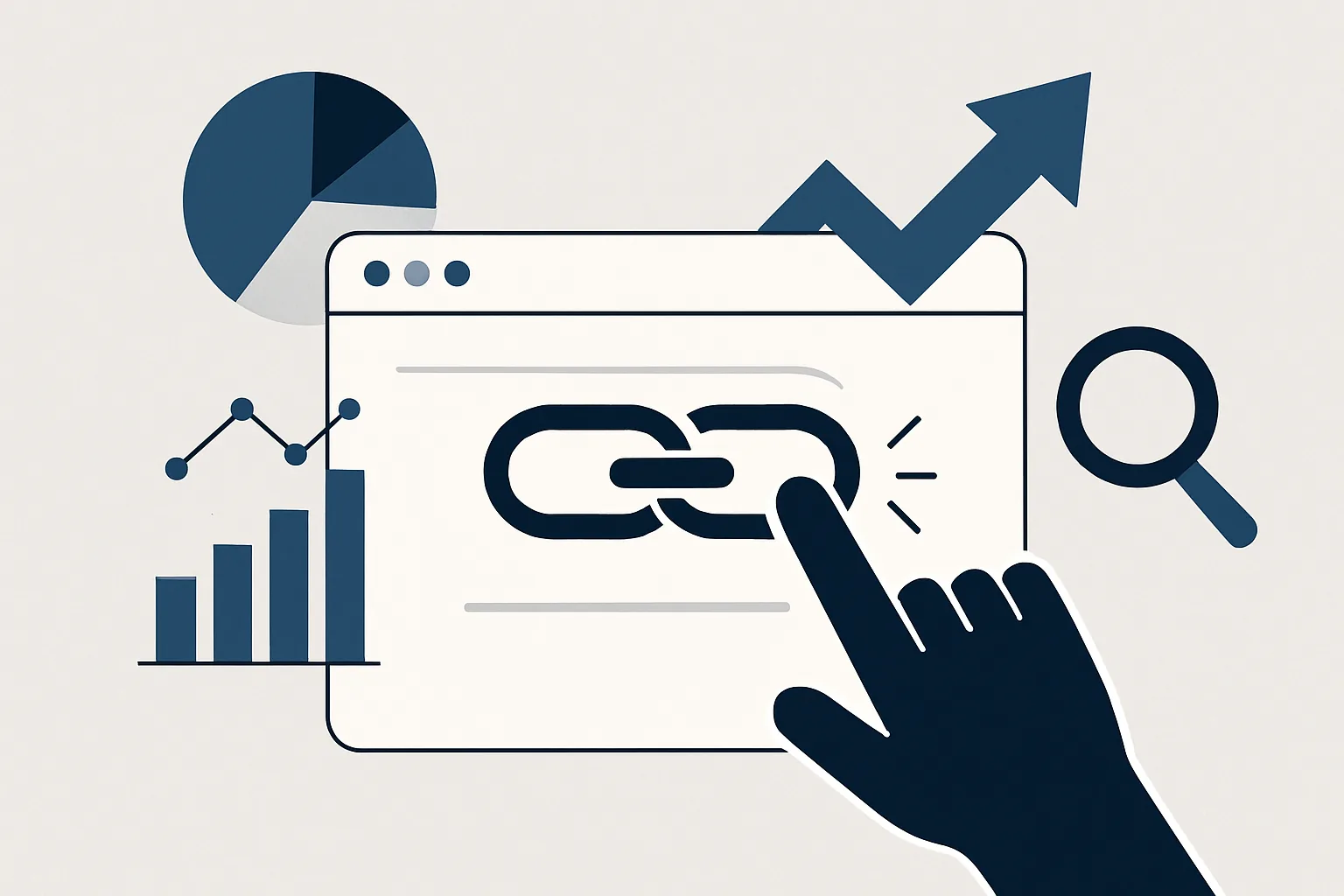
Short link analytics is the layer of measurement that sits behind a shortened URL. The link still does its simple job — sending someone from point A to point B — but it also records useful information about the click before the redirect happens. That can include how many people clicked, when they clicked, what device they used, and sometimes where the traffic appears to have come from.
This is where basic link shortening and analytics-enabled links part ways. A plain short link is mainly about convenience: it’s easier to share, cleaner in a post, and less awkward in print or chat. An analytics-enabled short link does all of that, then gives you a trail of evidence. Not a perfect one, but often enough to show what’s working and what isn’t.
That difference matters more than it sounds. If you are only shortening a long URL for aesthetics, the job is done the moment the redirect works. If you are using the link in a campaign, newsletter, bio page, flyer, or customer email, you probably want to know whether anyone actually touched it. Short link analytics turns a silent redirect into something measurable.
It also helps explain why one link performs better than another, even when the destination is the same. A clean short URL can be shared in a way that looks intentional and branded; a tracked one can also tell you which placement, channel, or message earned the click. If you want a broader view of how link tools fit into a campaign setup, the urlik Blog has related guides that connect the dots.
Why Click Tracking Matters
Click tracking is the core reason most people care about short link analytics in the first place. Without it, you may know that a link exists, but not whether anyone used it. With it, you can start separating guesswork from behavior.
For marketers, that means campaign performance becomes more than a feeling. A social post may look lively because it drew comments, but the link might barely move. Another post might get fewer reactions and far more clicks. Click tracking helps you see that distinction instead of assuming engagement and conversion are the same thing. They often aren’t.
Creators use the same data to understand audience behavior. A link in a video description may perform differently from the same link in a pinned comment or story caption. Over time, that reveals something practical: not just who your audience is, but how they prefer to respond. Maybe they click when the call to action is direct. Maybe they need context first. Maybe they never click from one channel and always click from another.
Teams also use click tracking internally. Sales may want to know whether a resource link in an email actually reached prospects. Support might need to see whether people are using a help article. Product teams can compare links in onboarding steps, while event teams can watch which reminder message drives attendance. The use cases vary, but the logic is the same: if a link matters, its clicks matter.
What Data You Can Measure
Different tools expose different fields, but short link analytics commonly includes a mix of basic and directional data. The exact list can vary by platform, yet these are the measurements people usually look for first:
- Total clicks: the raw number of recorded clicks on a link.
- Unique clicks: clicks filtered to distinct users or devices over a chosen period.
- Time of click: when the click happened, often shown in charts or logs.
- Device type: whether the visitor used mobile, desktop, or tablet.
- Location: approximate geographic data, usually at country, region, or city level.
- Traffic source: the page, app, or platform that appears to have sent the visitor.
Some tools also show browser type, operating system, language, or campaign tags. Others let you compare performance over time or filter by date range. If you are managing several links at once, that matters. A single number can be misleading; a pattern across days or channels is much more useful.
Still, it helps to treat every metric as a clue, not a courtroom verdict. Analytics can be very informative without being fully exact. A spike in clicks may reflect a strong campaign, a repost, or automated traffic. The point is not to obsess over each data point in isolation, but to build a readable picture of performance.
Referrer Data Explained
Referrer data tells you where a visitor came from immediately before clicking your link. In plain terms, it answers the question: what page, app, or platform appears to have sent the click?
This is especially useful when links are shared in multiple places. Suppose the same short link appears in a newsletter, on X, in a Facebook post, and in a website footer. Referrer data can help you understand which channel actually drove attention. That can shape future decisions about where to post, where to spend time, and where to stop wasting effort.
But referrer data has limits, and it is important not to overread it. Browser behavior, app settings, privacy protections, and messaging platforms can strip or hide referrer information. In some cases, traffic may show up as direct or unknown even though it clearly came from somewhere specific. That does not always mean the tracking failed; sometimes the source simply isn’t passed along.
There is also a difference between the likely source and the complete story. A referrer might show that a click came from a social platform, but not whether it came from a paid ad, a shared post, or a private message. It may show the originating page, but not the exact context that persuaded someone to click. That’s why referrer data is valuable, but not magical.
Used carefully, though, it can reveal trends that are hard to see otherwise. You might discover that one publication drives far more clicks than another, even if both mention your brand. Or that links placed in long-form content perform better than links dropped into a busy feed. That sort of insight is rarely dramatic, but it is often the kind that changes a strategy for the better.
How Click Tracking Works Behind Short Links
The technical flow is straightforward on the surface. A person clicks a short link. The short-link service receives the request first, records the event, and then forwards the user to the final destination. That moment in the middle is where the analytics happen.
Because the redirect passes through the service, the platform can log a timestamp and other available details before sending the visitor onward. In many systems, the click is captured almost instantly, so the user experience remains fast. The destination page loads as expected, and the analytics record is written behind the scenes.
That said, the process depends on a few assumptions. The request must reach the tracking service successfully. The browser or app must allow the redirect to proceed. Privacy features, ad blockers, network errors, or offline behavior can interfere with that flow. If a user copies the link but never opens it, obviously nothing gets recorded. If a bot hits the link, it may get recorded too unless the system filters it out.
There is another subtle point: click tracking measures the event of clicking, not necessarily the event of reading, buying, subscribing, or finishing a form. A click is a useful signal, but it is not the final outcome. Plenty of links earn clicks from curious users who do not convert. Others get fewer clicks but stronger intent. That is why short link analytics works best when paired with destination analytics, sales data, or campaign goals.
How to Use Analytics to Improve Links
The real value of short link analytics is not in collecting numbers for their own sake. It is in using those numbers to make the next link better.
One practical approach is to compare campaigns that look similar on the surface. If two announcements point to the same page, but one gets noticeably more clicks, the difference may be in the wording, timing, placement, or audience. That gives you something concrete to test next time. You are no longer guessing which message works; you are comparing outcomes.
You can also look at channel performance. Perhaps your audience clicks more often from email than from social posts. Perhaps a link in a podcast description does better than one in a biography field. Maybe people respond to one platform on weekdays and another on weekends. These are not abstract insights. They influence where you spend energy and what kind of language you use.
Link placement matters too. If a link buried at the end of a long caption gets very little attention, you can try moving it earlier. If a headline-style call to action gets clicked more often than a soft mention, that tells you something about intent. The same goes for message-to-market fit: the more the language matches what the audience is already trying to do, the more likely the click.
Some teams use this data to refine link packaging rather than the destination itself. For example, a company might test a branded short link in a campaign to see whether it improves trust and recognition. If you are thinking about that angle, custom short link domain is a useful companion read.
In other cases, the link itself becomes part of the message. A short link in a printed flyer or QR code poster has to do more work than one buried in an email. If you need the destination to stay flexible after printing, the logic behind Dynamic QR Codes: Change the Destination After Printing applies in a very similar way: the measurement and the adaptability go hand in hand.
Best Practices and Privacy Considerations
Short link analytics is helpful precisely because it is lightweight, but that also means it can be incomplete. Good practice starts with understanding what the data can and cannot prove.
Accuracy is never absolute. Some clicks may be missed because of browser behavior or network interruptions. Others may be counted more than once if the same person clicks repeatedly, depending on how the system defines unique activity. Bot filtering can improve quality, but it is not always perfect. If you are comparing campaigns, use the same measurement method each time so the results stay meaningful.
Consent and privacy matter too. If your links are used in a context where tracking is sensitive, make sure the setup fits your legal and organizational obligations. That may include informing users where appropriate, limiting data collection, and avoiding unnecessary retention of personal information. Not every link needs aggressive monitoring. Sometimes the responsible choice is to keep analytics minimal.
Retention policies are worth checking as well. Data that is useful today may become unnecessary later, and stored click logs can carry risk if they are kept indefinitely. The goal is not to hoard every trace of behavior, but to keep enough information to make decisions without crossing the line into overcollection.
There are also situations where tracking is naturally restricted. Messaging apps, privacy tools, browser settings, and platform-level protections can limit referrer details or reduce visibility into device and location data. That does not mean short link analytics is broken. It means the environment around the click is getting more private, which is increasingly normal.
For links shared privately, some teams prefer tighter controls rather than broader tracking. If that is relevant to your workflow, Password-Protected Links: Share Privately, No Account is worth a look. It addresses a different problem, but the underlying principle is the same: useful links should also be thoughtfully managed.
And if you are using short links in affiliate work, be careful to keep the measurement honest and the presentation clean. The article on Affiliate Link Cloaking: Clean Links That Keep Earning covers that territory well.
At its best, short link analytics gives you a practical edge without overwhelming you. You can see which links pull attention, which channels deserve more effort, and which assumptions need revising. That is enough to improve most workflows. You do not need perfect data to make better decisions — just data that is honest about its limits and consistent enough to trust.
Put this into practice
Paste a link and get a short URL, a QR code and click stats in seconds — free, no sign-up.
More from the blog
How Much Does QR Code Tracking Cost at Scale?
Learn how much does QR code tracking cost at scale, including scan volume, code counts, analytics depth, retention, and hidden ops fees.

What Changed Recently in URL Shorteners and What Should I Do Now
What changed recently in URL shorteners and what should I do now? Audit links, fix redirects, and update ownership before problems spread.
How many clicks does my QR code get?
Learn how many clicks does my QR code get, what QR analytics count, and how to track scans, visits, and conversions accurately.