
What Changed in URL Shorteners in 2026?
Learn what changed in URL shorteners in 2026, from branded links and analytics to security, routing, and link management.
On this page
What Changed in URL Shorteners in 2026?
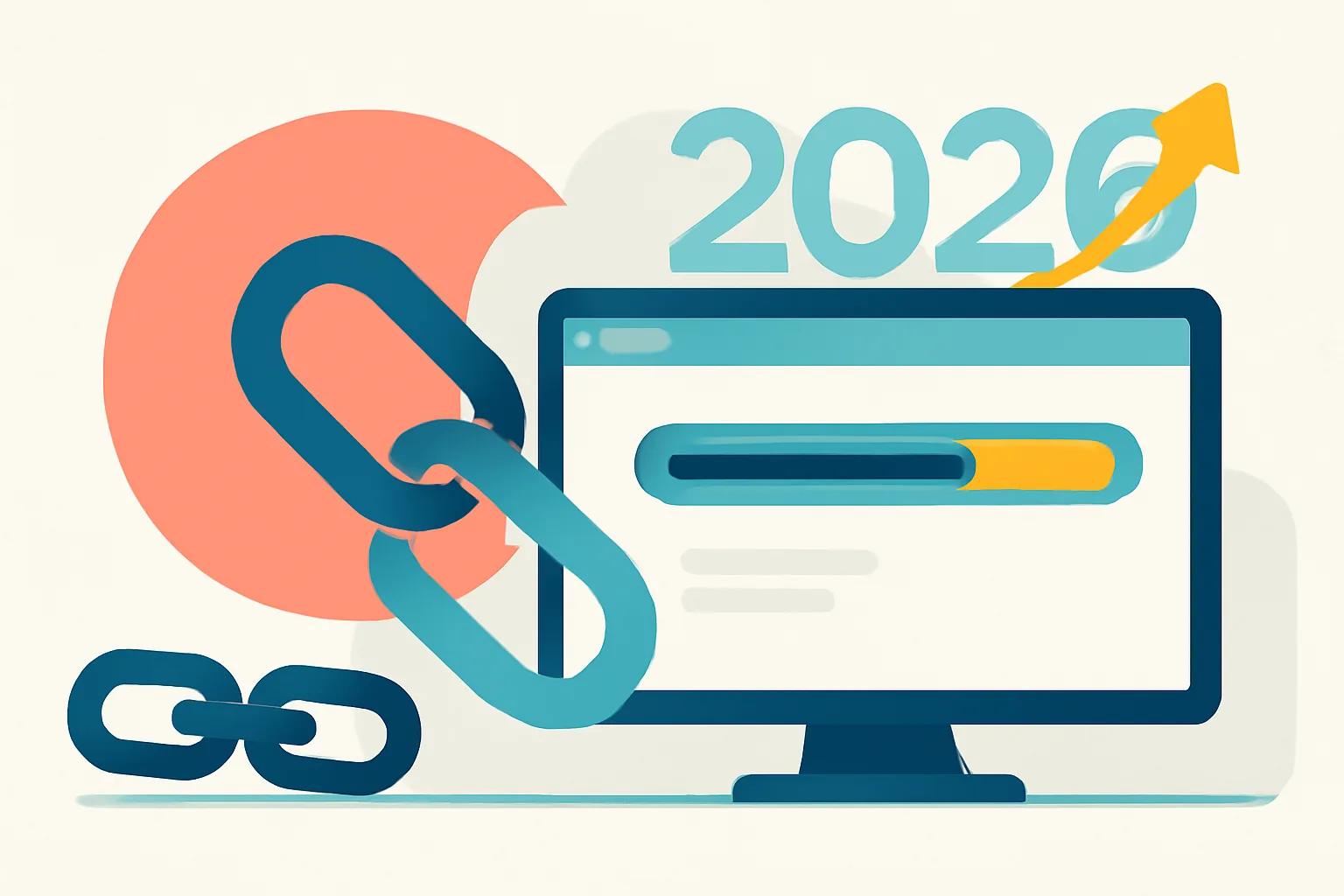
URL shorteners in 2026 are no longer just tiny links with fewer characters. The job changed. A short link now carries branding, routing, tracking, and sometimes compliance work, all from one dashboard, and that shift is why teams keep asking what changed in URL shorteners in 2026.
The old model was simple: paste a long URL, get a shorter one, share it, done. That still exists, but it sits beside tools that edit destinations after launch, split traffic by device, and keep campaigns tidy when 20 links are live at once. One link can now do three jobs.
From Simple Link Compression to Full Link Management
In 2026, URL shorteners moved from compression to control. Editors expect more than a shortcut; they want routing rules, expiry dates, UTM handling, and the ability to swap a destination without rebuilding a whole campaign. That matters on launch day, especially when a link goes into an email, a QR code, and a paid ad on the same afternoon.
Brand teams also use URL shorteners as a filing system. A short link can point to a product page today, a waitlist tomorrow, and a regional variant next week, while the slug stays the same for the audience. That one detail saves real work when a campaign has 12 assets and 4 people touching them.
Here is the practical change: URL shorteners now behave like link management tools with shortening built in. That means the editor is often as important as the redirect. If the destination changes, the short link can stay put, and that is the point.
Teams also care about structure. A campaign slug such as /spring-sale-24 gives a clue to humans and software both, while a random string like /a9f3k says nothing. Small naming choices matter more now because they feed reporting, search, and internal handoff. That is not glamorous. It is useful.
More Focus on Security and Spam Prevention
Security moved up the list fast. URL shorteners in 2026 face tighter checks on abuse, phishing, malware, and link spam because attackers love short links for the same reason marketers do: they hide a long destination until the click happens. That makes reputation systems stricter.
Many platforms now scan destinations, flag suspicious behavior, and pause redirects when a link starts acting strangely. A sudden burst of clicks from one geography, a destination that changes too often, or a domain with a bad history can trigger review. No one wants their newsletter sent to a blacklisted redirect.
One useful result is clearer warning flow. A safe short link may resolve normally, but a risky one may show an interstitial page, a warning, or a blocked redirect. That extra step annoys some users. It also stops a lot of trouble.
If you want a deeper look at trust checks, URL safety, and warning signals, see are short links safe? how. The short version: trust is now part of the product.
Spam prevention also affects normal users. A public profile, forum post, or email signature can be a target for abuse if a short link is reused for something unrelated. URL shorteners now need better ownership checks and faster takedown tools, because one bad redirect can poison a domain for everyone else using it.
Better Analytics and Attribution Capabilities
Analytics improved in 2026 because teams stopped asking only “how many clicks?” They want device type, time of day, referrer, region, browser, and the path from click to conversion. That is a different question, and it pushes URL shorteners into attribution work.
A campaign manager may compare 3 destinations from the same short link family and see which one drives sign-ups on mobile before 9 a.m. and which one works better on desktop after lunch. That level of detail changes decisions, but only if the tracking is clean enough to trust.
Conversion attribution is harder than raw clicks. A short link may be the first touch, the last touch, or a mid-funnel touch that helps a user return later through another channel. URL shorteners in 2026 increasingly help teams keep those touches labeled correctly instead of dumping every click into one blunt number.
For teams running experiments, A/B testing links matters because the short link becomes the test harness. Two destinations, one audience rule, one reporting view. That is much easier than tracking two separate campaigns in two separate tools.
There is also a practical limit: analytics can only help if the link naming is disciplined. If every marketer invents a different slug format, reports become messy fast. A short link called /promo-jan, another called /jan-promo, and a third called /winter-january all point to the same offer, but the dashboard will not guess that for you.
| Analytics field | Why it matters | 2026 change |
|---|---|---|
| Device | Helps compare mobile and desktop response | More routing and segmentation |
| Location | Supports regional campaigns | More attention to privacy and consent |
| Referrer | Shows where clicks come from | Better source grouping and cleanup |
| Conversion | Connects clicks to outcomes | More attribution logic in the shortener |
Greater Emphasis on Custom Domains and Brand Trust
Branded short links became more than a cosmetic preference. In 2026, a custom domain often signals trust before the user even clicks, and that is worth real attention when inbox filters, social feeds, and browsers are all suspicious by default. A branded link looks like a known sender, not a throwaway redirect.
This is why many teams moved to a custom short link domain. A short link such as go.brand.com/sale is easier to recognize than a generic shared domain, and recognition reduces hesitation. That matters in email, text messages, printed flyers, and QR codes on a table tent at a conference.
Custom slugs help too. A name like /demo-booking tells the user what comes next. A random string does not. One is readable; the other is suspicious. That difference may look small on a screen, but it changes click behavior.
Brand trust also affects deliverability and support. A company using the same branded short link domain across campaigns can spot misuse faster, and customers can report suspicious links more easily because they know what “normal” looks like. There is no mystery there.
One aside: the best branded short links are often boring. That is the point. They should be easy to read, easy to verify, and hard to fake.
Changes in Privacy, Tracking, and Compliance
Privacy pressure changed URL shorteners in 2026 in ways many users never see. Cookie restrictions, consent rules, and data retention limits forced platforms to rethink what they store, how long they store it, and which analytics fields can be shown without crossing a line.
That means less casual tracking and more explicit consent flows. A short link used in a campaign may need to respect region-specific rules before collecting detailed analytics. Some tools now separate basic click counts from deeper user-level data, so a marketer can still count traffic without collecting more than necessary.
Compliance also reaches exports and retention windows. If a team deletes a campaign after 90 days, they may want the reports gone too. If a publisher keeps reader links for a year, they may need logs that match that policy. URL shorteners are being asked to fit those rules instead of ignoring them.
For teams that handle sensitive material, features like Password-Protected links matter because access control now sits beside redirection. A short link can be private, time-limited, and monitored, all without becoming a separate file-sharing system.
Privacy also changed how people think about retargeting. Some shorteners still support tracking tags or audience signals, but consent and jurisdiction matter more than they did a few years ago. A click is not just a click if the data is being tied to ad audiences.
AI-Assisted Link Optimization and Automation
AI showed up in URL shorteners in a practical way, not a flashy one. In 2026, it helps suggest slugs, group similar campaigns, spot odd click patterns, and recommend destinations based on past use. That is less magical than the marketing copy, and more useful.
A content team might type “webinar registration for small business owners,” and the tool proposes /webinar-small-business or flags that the slug is already taken. That saves time. It also reduces naming drift, which is a bigger problem than most dashboards admit.
Automation matters when a campaign has branches. If a link should send iPhone users to one page and Android users to another, the shortener can apply a rule without manual checks every morning. If traffic spikes from one source, the tool can pause a route or alert an editor. That sort of work used to take a script and patience.
AI is also creeping into quality control. It can flag duplicate destinations, unusual redirect chains, or a slug that looks too similar to an existing branded path. One bad copy-paste can create a mess. AI does not fix bad planning, but it catches a few sharp edges.
Still, humans stay in charge. AI can suggest a link name, but it cannot know that the sales team wants /q1-offer because finance needs that label in a deck on Friday. Small internal politics survive automation.
Integration with Marketing, CRM, and Workflow Tools
URL shorteners in 2026 connect more often to the rest of the stack. They feed campaigns into ad platforms, sync events with analytics suites, and push notes into CRM records so a click can become part of a contact history. That is the point: fewer copy-paste steps.
A marketer can create a short link, tag it to a campaign, and see that tag appear in downstream reports without manual re-entry. A sales team can track which short link brought a lead to a form, then use that context in follow-up. A publisher can connect link data to editorial dashboards and see which stories actually get attention.
For teams building automated flows, urlik.xyz matters as the place where the link lives, the rule is set, and the report is read. That one workflow reduces tool hopping, which is still a quiet tax on every marketing team.
There is also a cleaner path for QR codes. If a printed code points to a short link, the destination can be swapped later without reprinting the poster. That saves money on anything physical. For many teams, that single feature is worth the setup time.
Integration also helps with handoffs. A media buyer, an email manager, and a CRM owner can all look at the same short link record and see the same campaign label. No one has to guess what /newstuff-2 means, which is a relief in any office with more than 5 people.
What These Changes Mean for Everyday Users
For marketers, the biggest change is control. A URL shortener now acts like a campaign tool, not a disposable helper. That means more reporting, better routing, and tighter brand handling, but also more setup work before the first click goes out.
For publishers and creators, the main gain is clarity. A branded short link is easier to share, easier to remember, and less likely to look shady in a social post. If a link is tied to a podcast episode, a newsletter, or a live event, the short link should say enough to build confidence in 2 seconds.
Regular users see the difference in smaller ways. A short link may load faster because the redirect is cleaner, or it may warn before sending someone to a risky page. That extra warning can feel annoying. It can also stop a bad day.
For anyone choosing a URL shortener in 2026, the checklist is no longer just “Can it shorten a link?” Ask whether it supports branded domains, useful analytics, privacy controls, link editing, and sane security checks. Ask whether the dashboard makes sense after 15 links, not just 1.
One last practical point: if a short link will live in email, on a poster, and in a CRM note, it needs a name people can read and trust. A good URL shortener makes that boring work easier, and boring is often what keeps the link alive for the full campaign.
Put this into practice
Paste a link and get a short URL, a QR code and click stats in seconds — free, no sign-up.
More from the blog
Link Shortener for YouTube Creators
Learn why a link shortener for YouTube creators keeps descriptions clean, updates links easily, and helps track clicks.
Branded Short Links for Affiliate Marketing
Learn how branded short links for affiliate marketing build trust, improve click-throughs, and support cleaner campaign management.
What Changed Recently in URL Shorteners for Enterprise Teams
A practical guide to what changed recently in url shorteners for enterprise teams and what should we do now for governance, security, and scale.